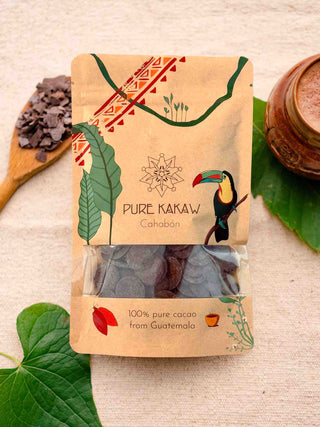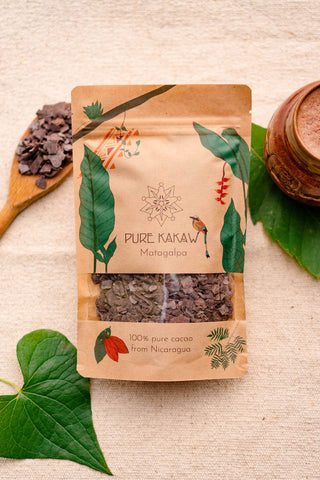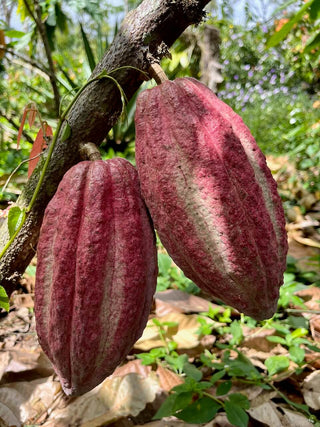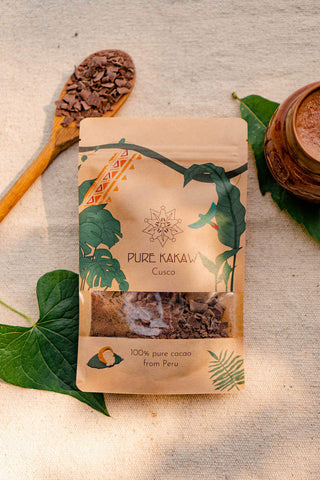

We love adding spices to our cacao. A little cinnamon here, a pinch of cardamom there. Each brings a different flavour and aroma and new ways to enjoy the cacao we know.
The trick is to start small. A pinch can bring out a different side of your cacao without covering up its own character.
Warming and cooling spices
As the weather changes, we often reach for different spices in our cacao. Fresh, fragrant flavours in summer. Something deeper and spicier when the days grow colder.
In Ayurveda, warming and cooling describe more than how a spice tastes. They refer to its virya, or potency: the heating or cooling influence a food or herb is traditionally understood to have on the body. This is separate from the temperature at which you serve it. A warm drink can contain a spice considered cooling, while ginger retains its warming classification even in a cold drink.
Warming spices are traditionally associated with kindling agni, the Ayurvedic concept of digestive fire, or the body's capacity to digest and process food. Ginger and black pepper are examples. Within this framework, warming qualities are used to balance coldness and sluggishness, rather than simply to make you feel hot.
Cooling spices, such as fennel and coriander seed, are traditionally used to balance excess heat. Cooling does not necessarily mean slowing digestion: Ayurveda also uses these spices to support digestion without adding the heating qualities associated with more pungent spices.
The wider principle is that opposites bring balance. Ayurveda considers the season alongside the individual, rather than treating every warming spice as a good choice for everyone in winter. These are concepts within a traditional system, not measurements of a spice's effect on core body temperature.
For your cacao, let this be an invitation to explore rather than a strict rule. You might enjoy the lively warmth of ginger on a cold morning, or the gentler aroma of fennel. Start with a small amount and choose the flavours you enjoy.
More than flavour, without the catchy claims
Every autumn, ginger and turmeric appear in drinks described as immune boosters. We enjoy these ingredients too, but there is a difference between including spices in a varied diet and expecting a cup to protect us from seasonal illness.
Spices have a long history in food and traditional practices. Today, researchers also study their naturally occurring compounds and possible effects on health. That research deserves attention, but the details matter: studies may use concentrated extracts or isolated compounds in amounts very different from the spices in your kitchen. Their findings do not automatically tell us what a pinch in a cup of cacao will do.
That does not make these ingredients less worthwhile. We enjoy them as part of a varied diet, without asking one drink to do the work of looking after our health. Their flavour, aroma and the pleasure of preparing a warm cup are already good reasons to include them.
Our favourite autumn chai cacao
For one cup.
⬖ 20–25 g ceremonial cacao flakes
⬖ 140 ml plant milk or water
⬖ ½ tsp freshly grated ginger
⬖ ¼ tsp ground cinnamon
⬖ ⅛ tsp ground turmeric
⬖ A small pinch of ground black pepper
⬖ A pinch of ground cardamom
⬖ Optional: a small pinch of cayenne
⬖ Optional: ½ tsp honey or maple syrup, to taste
How to make it
- Gently heat the water or plant milk with the grated ginger. Strain out the ginger before adding the cacao.
- Add the cacao flakes and ground spices to the warm liquid. Stir until the cacao has melted.
- Froth, taste and add honey or maple syrup if you like.
Spices to explore with cacao
Ginger
Warm, zesty and slightly sharp. It brings a lively contrast to cacao's richness. Start with a small amount, especially when using dried ginger rather than fresh.
Cinnamon
Sweet, woody and familiar. It adds a soft, spiced note to cacao. Start with a pinch and taste before adding more.
Clove
Deep, sweet and woody, with an intense, lingering warmth. It can quickly dominate the cup, so use only a tiny pinch of ground clove.
Nutmeg
Soft, sweet and nutty. A little freshly grated nutmeg adds a rounded, fragrant note alongside cacao's bitterness. Use just a light grating.
Cardamom
Fresh, floral and gently minty. It brings brightness to cacao's deeper notes. Start with a small pinch of ground cardamom.
Turmeric and black pepper
Turmeric adds an earthy, slightly bitter note, while black pepper brings a sharper warmth. There is also a reason beyond flavour why these two are often paired.
Turmeric contains curcumin, a compound studied for its anti-inflammatory and antioxidant activity. Curcumin has low bioavailability: very little reaches the bloodstream when taken on its own. Black pepper contains piperine, which can slow its breakdown. In a human study by Shoba and colleagues, combining 2 g of curcumin with 20 mg of piperine increased its bioavailability compared with curcumin alone.
The study used isolated compounds, so it does not show that a pinch of these spices in cacao provides the same effect or a health benefit.
Star anise
Sweet-smelling and liquorice-like. It brings a fragrant sweetness to cacao without adding sugar. Start with a small piece of culinary star anise, infuse it in the warm liquid and remove it before adding the cacao.